

Description
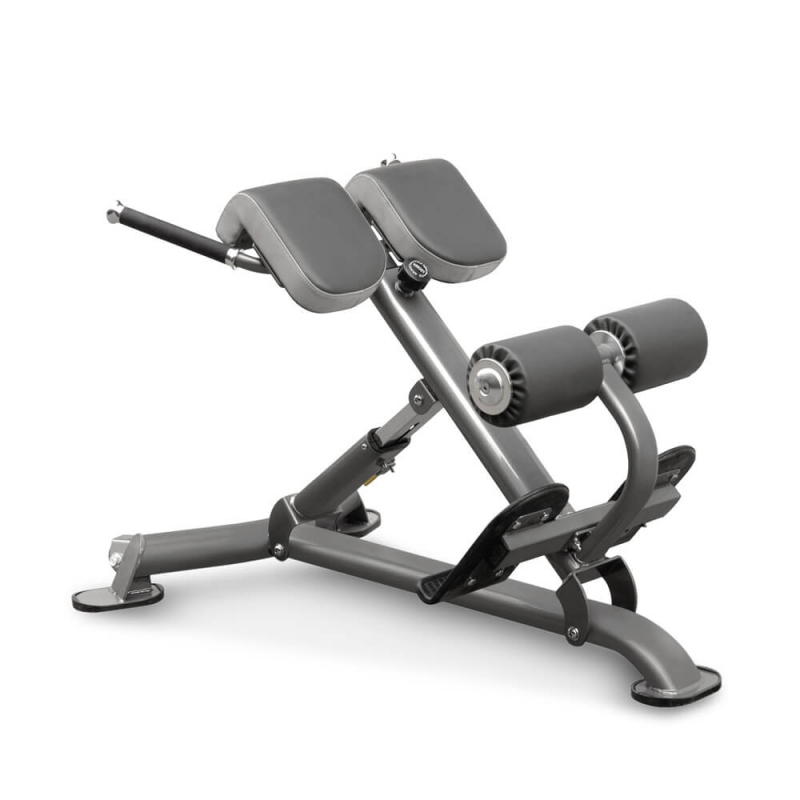
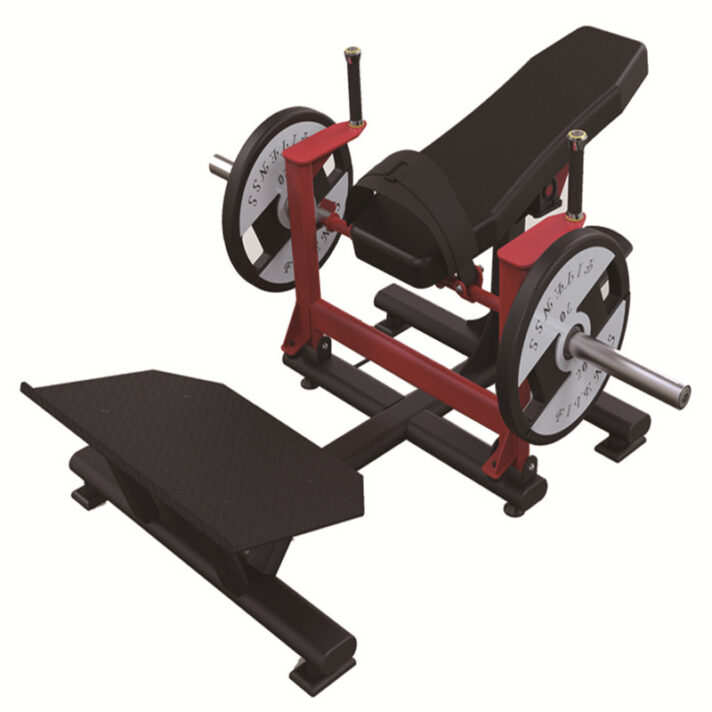
Hyperextension Bench / Roman Chair
Description
A hyperextension bench, also known as a Roman chair, is a strength-training apparatus used to perform a range of exercises that target the lower back (erector spinae), glutes, hamstrings, and core musculature. It’s a staple in commercial gyms, athletic training facilities, and rehabilitation centers because it allows users to build posterior chain strength, improve posture, and support overall spinal health.
The design typically consists of a stable angled platform on which the user lies facedown with hips supported and feet anchored. By performing a controlled “back extension” movement, users strengthen the posterior muscles of the lower body and core.
Key Features (Typical for a Commercial DH-65 Roman Chair)
- Heavy-Duty Construction: Robust steel frame built for commercial use with welded joints and thick tubing for maximum stability. Durable powder-coated or corrosion-resistant finish for long-term use.
- Adjustable Design: Multiple height and angle settings allow users of different sizes to find proper positioning. Adjustable thigh and ankle pads ensure comfort and security during movement.
- Padded Comfort: High-density foam pads for shoulder support and leg rollers. Ergonomic, sweat-resistant upholstery for easy cleaning and comfort during extended workouts.
- Versatility: Primary exercise: back hyperextensions. Secondary exercises: glute ham raises, Roman chair sit-ups, reverse crunches, and core stabilization movements.
- Stability & Safety: Non-slip foot pads and grips for secure placement. Wide base minimizes rocking and enhances safety during dynamic movements.
- Commercial-Grade Performance: High weight capacity designed to support a wide range of users and weighted exercises (typically over 300 lb). Durable for frequent use in gyms, sports facilities, and rehabilitation centers.
Targeted Muscle Groups
- Lower back (erector spinae)
- Glutes & hamstrings
- Core & obliques
- Hip flexors (in some variations)
Usage
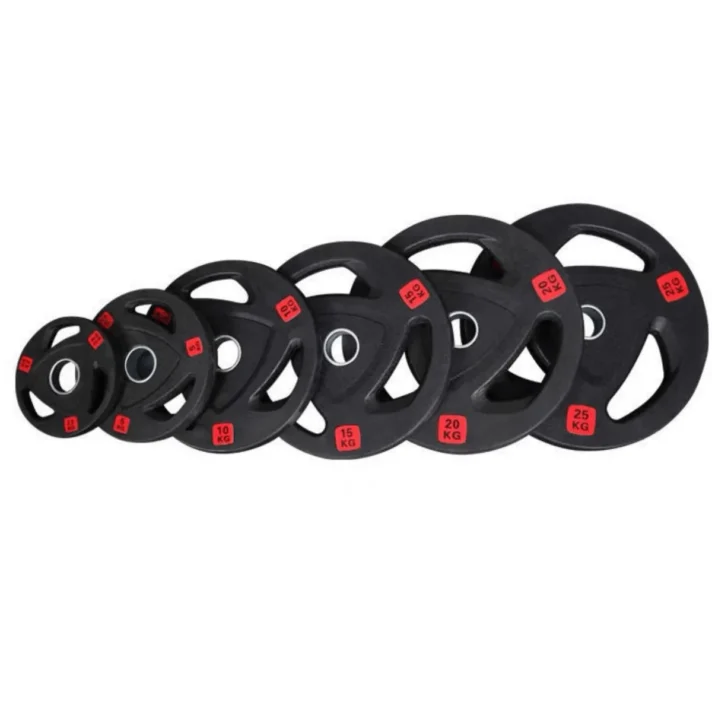
Exercises on a Roman chair involve hinging at the hips and extending the torso against resistance — either body weight or added plates/weights — to strengthen the posterior chain, improve posture, and develop core stability.
Reviews
There are no reviews yet.